
The Rise of Pokémon and Sports Cards as an Investment-Grade Asset Class
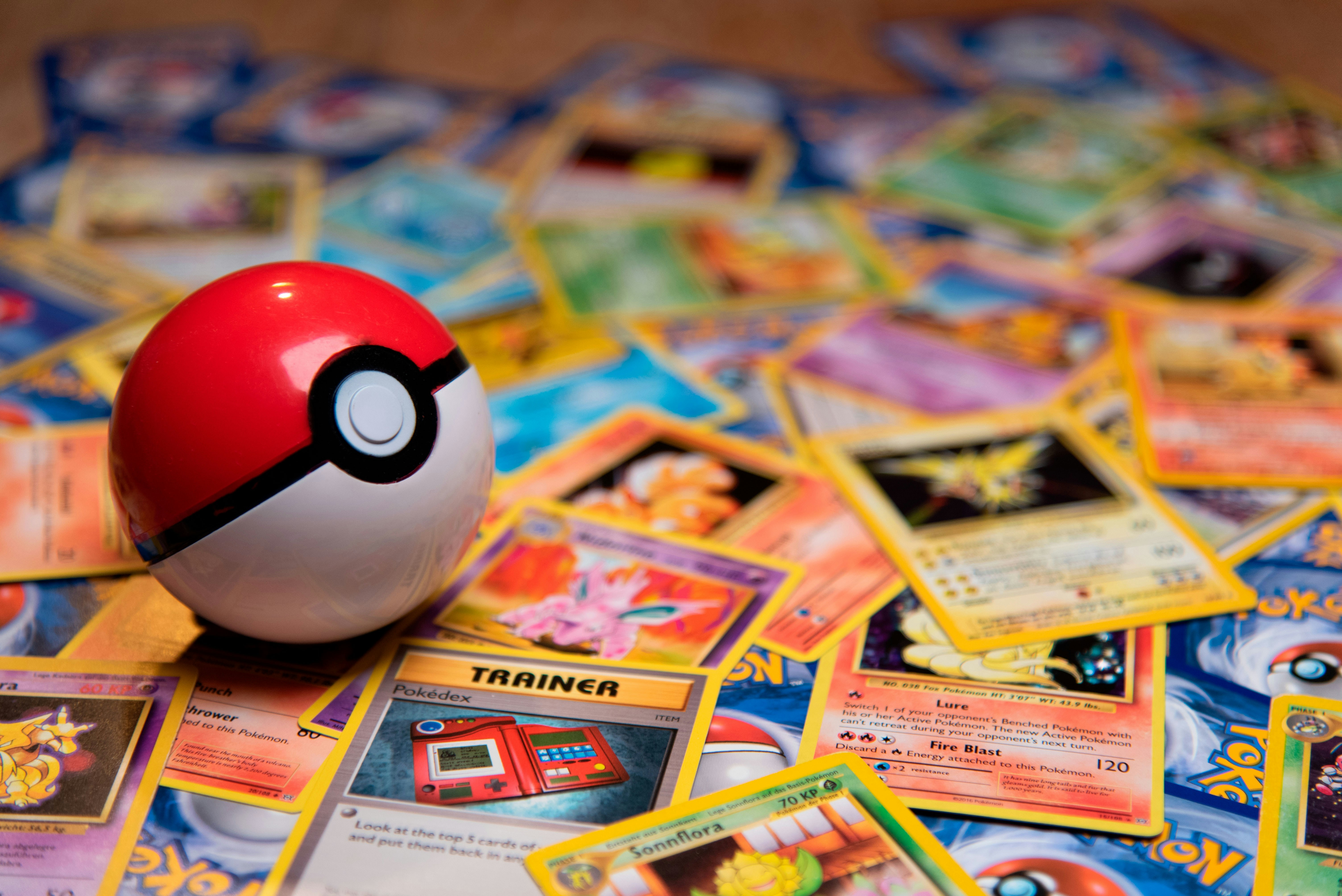
Pokémon: a classic card game and show from many people's childhoods. What started off as a fun collectible and trading card amongst the youth has turned into what some deem as a strategic investment.
Introduction
Trading cards have been part of America’s history since the late 19th century. Today, Pokémon and sportscards have risen in popularity to the extent that some are selling for millions. This February, the record for the highest trading card sale was broken by the sale of the only known PSA 10 copy of the Pikachu Illustrator. Auctioned by Logan Paul at Goldin, the card sold for $16,492,000.
The Hype
In recent years, celebrities have been publicly sharing their interest and purchases within the trading card market, creating hype among consumers. Celebrities such as Logan Paul, with mass followings, have attracted more people to the trading card market by making trading card content. This mass flow of individuals into the trading card market has created a very volatile, booming market. Fanatics’ purchase of Topps in 2022 would prove to be a game changer for the card market. Fanatics, owned by Michael Rubin, a socialite and famous A-list party organizer, has created a card show called Fanatics Fest that includes appearances from celebrities and personable athletes like Travis Scott and LeBron James. Fanatics Fest has even brought the likes of DJ Khalid and Druski together.
The Structure
Trading card companies such as the Pokémon company and Topps release new sets of cards every couple of months. In 1952, Topps launched a baseball card set containing cards that featured the statistics of players on the backs of them. This helped to shape the market structure of baseball cards as cards of players with better stats would increase in price. Players and desired characters have carved out markets of their own within the trading card market–certain art styles of characters or parallels of players have their own market capitalizations. Within sets, there are chase cards featuring a desired character or player in a certain art style or variation. These chase cards are worth significantly more than any other cards in the set. Grading also adds to the structure of the card market, as card populations are tracked with specificity of condition too. Perfect copies of cards can go for significantly more than ungraded or “raw” cards. New cards can go for 2 to 5 times more if they receive a 10 from a dignified grading company (PSA or Beckett), and vintage cards in perfect condition (Gem Mint 10) can go for 5 to 10 times more than “raw” copies.
What makes a Card a Chase Card?
In sports cards, chase cards often pertain to sought-after players with good statistics that are short-printed (numbered), and in Pokémon cards, chase cards are often variations of fan-favorite Pokémon that have existed since the late 1990s: Gengar, Charizard, Venusaur, Blastoise, Pikachu, to name a few. The Pokémon Company also strategically releases new sets, giving specific Pokémon the light of day in order to increase their popularity. For example, on August 27th, 2021, the set Evolving Skies was released, featuring chase card alternate art variations of Umbreon and Rayquaza. The release of an Umbreon card and a Rayquaza card in a new art style drew more attention to the Umbreon and Rayquaza card markets, as people enjoyed the new art style of the Umbreon card; Umbreon cards from previous sets increased in value as Evolving Skies became a well-known set for its chase cards. The key to which Pokémon are investment grade pertains heavily to nostalgia and whether they existed within a 5 year window after the widespread release of the first edition base set of Pokémon cards in 1999 and were debuted or present in Pokémon movies or video games. Chase cards make a set desirable.
Scalping: A Never-Ending Hunger to Resell Cards
Scalping is a word commonly used when talking about buying trading cards. Scalpers are people who buy mass quantities of products at retail price and sell them for more money. As there are many scalpers (and the number of scalpers continues to increase), shelves rarely contain official sports cards or Pokémon cards unless they are from an undesirable set. Scalpers are looked upon by the trading card community as degenerates–a man has even been shot by a crazy scalper after cutting a line to purchase Pokémon cards from a vending machine in a parking lot in Indianapolis on April 11, 2026. Although members of the Pokémon community look at scalpers as degenerates, they are mainly responsible for the increase in Pokémon card prices, as they single-handedly increase the cost of sealed Pokémon products, which fundamentally demands an increase in the prices of cards from newer sets (and older ones). Scalping is a relatively new thing in the Trading Card world. It has been a major factor in the massive increase in card prices in the last couple of years.
Conclusion
Between a deficit in supply relative to demand thanks to scalping and a growing interest in cards due to rising celebrity interest, the trading card market has grown massively in the last couple years. The card market has significantly outperformed the S&P500, and the increase in price of some cards have outperformed the price increase in top stocks like Nvidia in the last 5 years. Overall, trading cards have the potential to be a lucrative investment, as long as you choose an investment grade character (like charizard) or an investment grade player maybe with a thesis as to whether they will become better at their sport (rookie cards can explode in value) or with the notion that they will continue to be great at what they do; however, at the end of the day, trading cards are an asset like any other, and purchasing them for the sake of an investment inherently comes with its own risk.
Enjoyed this article?
Subscribe to get the latest economic analysis delivered to your inbox.
Comments
Related Articles

Lunch With the HWER: Lessons from Gregory Nathan
Mr. Greg Nathan held a Q&A with students, hosted by the HW Economics Club on campus, where he provided his insights and wisdom on topics...

Lunch with the HWER: An Interview with Ryan Davidoff
Editor-in-Chief Ryan Davidoff on the brother who got him started, the school competition he turned into $26 million on paper, and his...

The Most Important Company You've Never Heard Of
You've all heard of AI, and our guess is that you've used it before, maybe even every day. But have you ever sat down and thought about how...