
The Economics of Memecoins: Investment or Gambling?
The explosion of cryptocurrency over the past decade has ushered in an era of "memecoins," a novel form of investment that puzzles many established, older investors. So, what really are memecoins, and are they legit?
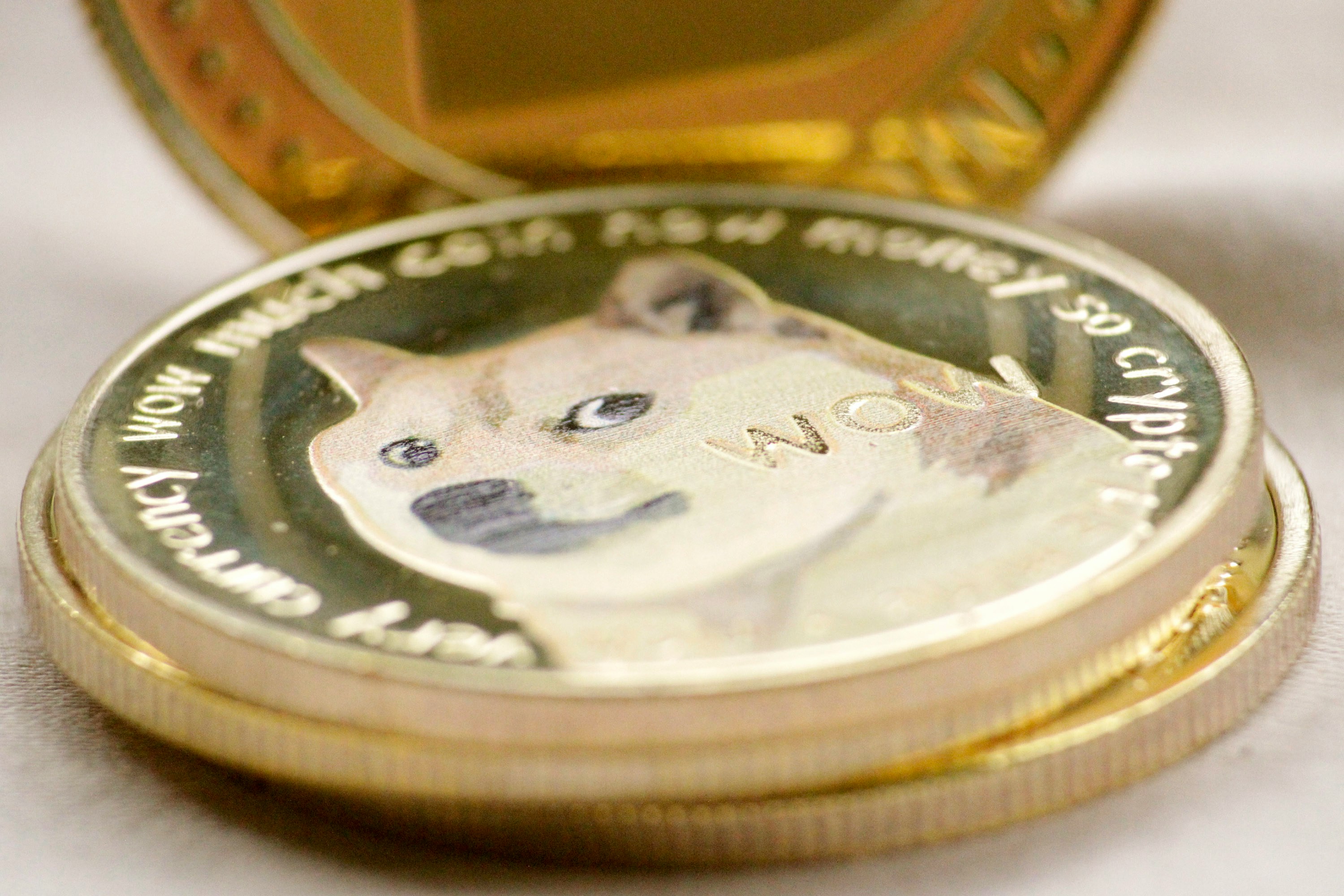
If you spend any time on TikTok, there’s a solid chance you’ve encountered people trading, promoting, and winning large sums of money with memecoins. But what even is a memecoin?
A memecoin is a type of cryptocurrency inspired by internet memes, viral jokes, or pop culture rather than traditional utility or technical fundamentals. Memecoins function exactly like other cryptocurrencies on a basic level, but their market value is determined almost entirely by human attention, hype, and trends rather than software utility or market revenue. Memecoins rarely build their own blockchain technology. Instead, they are launched on existing blockchains such as Solana or Ethereum. Put simply, think of a blockchain as a giant public record book. Every time someone buys, sells, or sends a coin, that transaction gets recorded, and thousands of computers around the world each keep their own copy of the record. Because so many copies exist, no single person, bank, or company controls it, and anyone can check who owns what at any time.
So if memecoins have no real utility behind them, how does anyone make money? The answer is timing. When a new coin launches, its price is tiny. If people start talking about it on TikTok, X, or other online platforms, new buyers rush in, and each new buyer pushes the price higher. The people who got in early can then sell to those latecomers for a profit, sometimes turning a few dollars into thousands. For example, in April 2023, one trader spent about $250 on a memecoin called PEPE, and only a few days later those coins were worth over $1 million.1 These are the stories that go viral, and they are exactly what makes memecoins look so tempting.
The problem is that for every buyer who wins, there is someone else holding a coin that is crashing. Memecoins are famous for pumping and dumping, where a group hypes up a coin, waits for the price to spike, and then sells all at once, sending the price straight down. Even worse are “rug pulls,” which are a common cryptocurrency scam exit where the developer, who owns a large percentage of the coin, sells all their stake and runs away with investors’ money. As a result, the price dumps, and everyone left in the coin is left with nothing. One of the most famous examples was the Squid Game token in 2021. Its price shot up to over $2,800 in about a week. Then the developers sold all their coins, ran off with an estimated $3.3 million, and the price crashed to less than a penny.2
The numbers back this up. Chain data tracked by The Block shows that fewer than 2% of all memecoin tokens have ever moved off the platform to a real exchange, meaning that the overwhelming majority of coins never get enough buyers to go anywhere.3 On a bigger scale, CoinGecko tracked 7 million tokens since 2021 and found that over half had failed, with 1.8 million dying in the first quarter of 2025 alone.4
Since anyone can launch a coin in minutes and nobody checks who is behind it, there is almost nothing stopping this from happening. Before Pump.fun, a platform where anyone can create a coin, launched in 2024, yearly crypto failures were only in the low six digits. Easy launches did not create more winners; they created more losers.

Figure 1. The number of new crypto tokens launched each year more than tripled from about 835,000 in 2023 to over 3 million in 2024, the same year Pump.fun made it possible for anyone to create a memecoin in minutes. Data from CoinGecko.
Economists have a name for this kind of market: the greater fool theory. The theory says that you can profit from buying something as long as there is a “greater fool” willing to buy it from you at an even higher price. Memecoins function almost entirely on this idea. Since the coin itself produces nothing, the only way to make money is for someone else to buy your stake at a higher price than you did. That makes memecoin trading a zero-sum game: every dollar one trader wins comes out of another trader’s pocket.
On social media platforms like TikTok, videos and edited clips of memecoin traders with large sums of money, private jets, supercars, and lavish lifestyles attract lots of attention from users. These users are being sold a fantasy that if they begin trading memecoins, they can live that same lifestyle. While it’s not impossible to make money from memecoins, one thing is for certain: People pushing memecoins online are attempting to funnel in new buyers so that they have exit liquidity.
What does this even mean? As I mentioned earlier, memecoins function off of hype, and in order for someone to profit off a coin, someone must buy their stake from them at a higher price. If there is no one to buy their coin at a higher price, it is impossible for them to make money because they cannot get their money out of the coin unless someone buys their stake from them. Essentially, these new buyers function as a way for the people behind these coins to make money.
To be fair, there is a case for the other side. Some memecoins, like Dogecoin, have lasted for years and built real communities, and a few people who bought early made life-changing money. Some argue that buying a memecoin is really a bet on attention, and attention can be worth something in today’s internet economy. Others treat it like entertainment and spend a small amount they are fully prepared to lose.
Interestingly, that framing answers the question of whether memecoins are gambling or an investment. When the expected outcome is losing your money, when profits depend on someone else losing theirs, and when the rare winners are mostly the people who got in first or created the coin themselves, it stops looking like investing. Benjamin Graham, the economist often called the father of value investing, argued that an investment must protect your original money and offer a reasonable return. Anything that fails that test is speculation. Memecoins fail both parts. Most lose nearly all their value, and any return depends entirely on finding a new buyer willing to pay more, since the coin itself produces nothing. So by Graham’s standard, memecoins are speculation at best, and when the odds are this stacked against the average buyer, speculation starts to look a lot like gambling. The next time your For You page shows someone who turned fifty dollars into fifty thousand, remember the thousands of people who bought the same coin just minutes later and watched it go to zero. You just never see their videos. For most people, memecoins are not an investment. They are a lottery ticket with a TikTok ad campaign behind it.
Notes
- Mehab Qureshi, “How a Crypto Investor Turned $125 Into $1M Profit with This Meme Coin Transaction,” Benzinga, April 20, 2023, https://www.benzinga.com/markets/cryptocurrency/23/04/31907205/how-a-crypto-investor-turned-125-into-1m-profit-with-this-meme-coin-transaction. ↩
- Hanako Montgomery, “‘Squid Game’ Memecoin Soared to Record $2,800. Then It Fell to Zero,” Vice, November 2, 2021, https://www.vice.com/en/article/squid-game-memecoin-collapse. ↩
- “Pump.fun Launched 42,000 Tokens in One Day. Fewer Than 2% Will Ever Reach a DEX,” Solana Compass, citing data from The Block, accessed October 25, 2026, https://solanacompass.com/news/pumpfun-launched-42000-tokens-in-one-day-fewer-than-2-will-ever-reach-a-dex. ↩
- Stephen Katte, “Crypto Token Failures Soar, with 1 in 4 Launched Since 2021 Dying in Q1: CoinGecko,” Cointelegraph, May 1, 2025, https://cointelegraph.com/news/crypto-token-failures-soar-quarter-die-q1-coingecko. ↩
Enjoyed this article?
Subscribe to get the latest economic analysis delivered to your inbox.
Comments
Related Articles

Market Efficiency and Strategic Betting in the Top 5 Soccer Leagues in Europe
Sports betting has taken over the world of gambling in the past decade. How good have bookmakers been in the world's most popular sport,...

The Rise of Pokémon and Sports Cards as an Investment-Grade Asset Class
Pokémon: a classic card game and show from many people's childhoods. What started off as a fun collectible and trading card amongst the...

Lunch With the HWER: Lessons from Gregory Nathan
Mr. Greg Nathan held a Q&A with students, hosted by the HW Economics Club on campus, where he provided his insights and wisdom on topics...