
The Advantages of Photonic Technologies: A Step Closer to Sustainability Within AI Data Centers
AI data centers are driving a surge in Photonics as demand for faster, more energy-efficient technology grows.

Overview
AI data centers are rapidly fueling price surges in memory–the jump in demand for memory has led to a significant increase in the price of memory (NAND, DRAM, etc). SanDisk and Micron have benefited greatly from the rise in demand for memory. SanDisk’s stock price is up 1,200% in just one year and currently sits at $1,719 per share. The prices of memory are rising because, although it is cheap to make, its utility and increased demand within data centers are great enough to justify higher pricing. The question becomes: what will rise in price next because of data centers?
What is Photonics and What are Some Examples of Photonic Technologies?
Photonics is quintessentially the science behind controlling light. Photonic technologies create light and use it to transmit information. For example, silicon photonics provides infrastructure that allows photonics to operate directly on standard silicon computer chips. Traditional computer chips experience significant constraints as they heat up during use. Photonic technology holds advantages over traditional copper wires that make it appealing to consumers and data centers. As production of more sophisticated photonic components ramps up with increased data center demand, consumers will notice the advantages of photonics in the future.
The Advantages of Photonics
Unlike traditional copper wires, photonics do not emit heat when in the process of transmitting data (when they are in use). Photonics eliminate the need for cooling, which provides a significant constraint on data centers, as it takes great amounts of energy to cool traditional copper transmitting components. As a result, consumers in the future may notice that their technology will no longer overheat during long periods of use.
In addition to eliminating the need for cooling, photonics also provide higher bandwidth signal transmission when compared to traditional copper infrastructure. This means that photonic technologies can transmit more data in the same amount of time as copper wires, making them more useful. Photonics are also more energy efficient, requiring less power to operate. Data centers raise concerns about sustainability in our society, as they consume a huge amount of energy to operate–the power grid will inevitably be too small to support their growth, effectively stunting the growth of data centers. You might have heard of it costing water to speak with AI language models–data centers are not sustainable. Photonics requires significantly less energy to operate than traditional copper wires. Making a larger pivot to photonics within data centers will enable them to operate more efficiently and use less energy–a mass adoption of photonics within data centers is a step closer to sustainability.
Photonic Technology Companies
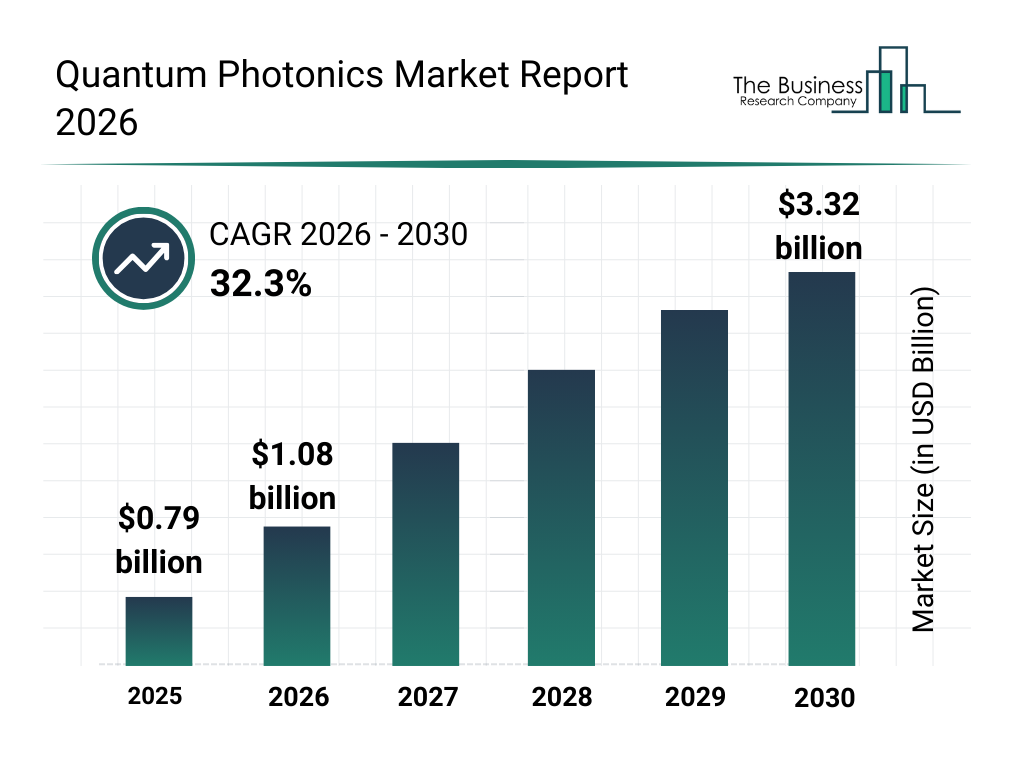
As demand for photonics increases within data centers, companies with a focus on producing quality photonic technologies are experiencing a drastic increase in valuation. Photonics are becoming less of a speculative investment every day as some companies such as COHR are becoming profitable. Coherent (COHR) has attracted interest from investors as it seeks to cater to an increased demand for photonic technology. Coherent received a $2Billion investment from Nvidia in March. Companies like Coherent make the photonic technology that offers a sustainable edge to traditional copper-conducting components. Coherent makes lasers and optical computing components that will further modernize technology as a whole. Lumentum is another photonics-focused company that is a competitor to Coherent, as it operates within the same sector and caters to customers with the common need for the advantages in sustainability and efficiency provided by a pivot to photonic technology.
Enjoyed this article?
Subscribe to get the latest economic analysis delivered to your inbox.
Comments
Related Articles

The Economics of Exclusivity
A pair of sneakers costing the manufacturer $100 may sell for $4,000 nowadays. In today’s drop culture, brands are turning scarcity into...
The Prosperity Paradox: Can America Bring Back Factories and the Security Workers Expect?
The recent growth in American factory production is reshaping the manufacturing sector, but automation, wages, and worker access complicate...

The Housing Crisis in China: Causes, Effects, and Global Comparisons
China's housing crisis comes down to a fundamental problem: in many cities, urban shortages persist as hundreds of millions of residential...