
The Billion-Dollar Playbook: How Kroenke Sports & Entertainment Built a Sports Empire
What do the Rams, Nuggets, Avalanche, Rapids, Mammoth, and Arsenal all have in common? Stan Kroenke. This article explores how the business mogul founded a sports empire.
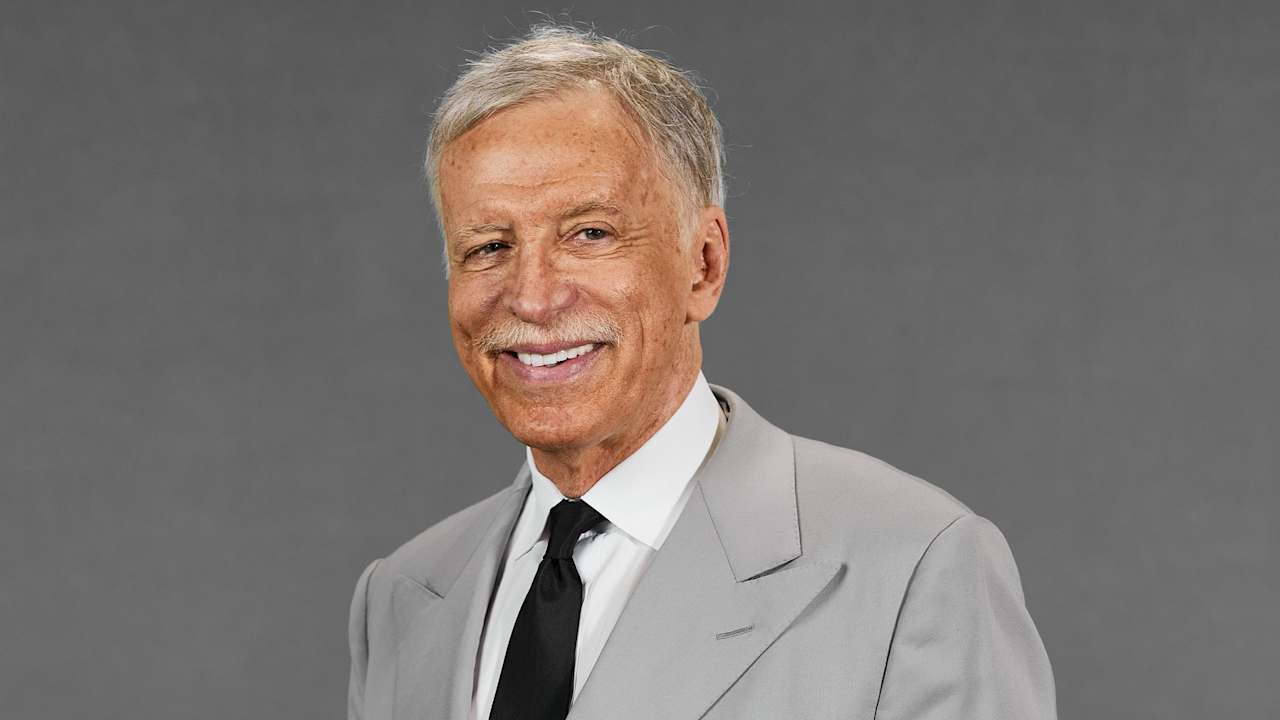
Stan Kroenke is an American billionaire real estate developer and sports magnate who has transformed the global sports ownership landscape. Kroenke founded and chairs Kroenke Sports and Entertainment (KSE), one of the world's largest sports ownership groups, with a portfolio that includes the Los Angeles Rams (NFL), Denver Nuggets (NBA), Colorado Avalanche (NHL), Colorado Rapids (MLS), Colorado Mammoth (NLL), and Arsenal Football Club (Premier League). Kroenke established the company in 1999 to manage his rapidly growing media and sports business ventures. Through strategic franchise acquisitions, stadium development, media rights, and real estate development, Kroenke made KSE the gold standard for capitalizing on sports' commercial value.
KSE started as a relatively small sports ownership operation, completing its first franchise acquisition on April 24, 2000, in a package deal worth 450 million dollars in return for both the Denver Nuggets (NBA) and the Colorado Avalanche (NHL), as well as their stadium, the Pepsi Center (now known as the Ball Arena). The deal established an essential component of his investing strategy: acquiring not only sports franchises but also their arenas. Owning the arenas where teams compete creates multiple revenue streams, including ticket sales, concessions, sponsorships, and non-sporting events such as concerts, rather than relying solely on franchise performance.
Kroenke's most consequential acquisition was that of the Los Angeles/St. Louis Rams. In 1995, Kroenke bought a 30% minority stake in the Rams from then-majority owner Georgia Frontiere, helping relocate the team to St. Louis, Missouri. In 2010, Kroenke exercised his contractual right of first refusal to purchase a majority stake in the franchise.
The acquisition became one of the most successful investments in recent sports history. In 2010, the Rams were valued at about $750 million; however, KSE later saw an opportunity to move the team back to Los Angeles, putting it in a larger media market and directly increasing annual revenue. Now in 2026, CNBC values the Rams at $14.5 billion. In January 2016, NFL owners approved the Rams' return to Los Angeles, ending the team’s more than two-decade tenure in Missouri. The relocation gave the team access to a much larger market, increased corporate partnership opportunities, and raised sponsorship value. More importantly, the relocation let Kroenke combine his vast real estate experience with his passion for sports ownership
At the center of this strategy was the Hollywood Park complex, a multibillion-dollar sports and entertainment development on 300 acres in Inglewood, California. Kroenke bought the land in January 2014 and later announced plans to build an entertainment and sports complex, including a world-class 70,000-seat stadium, now known as SoFi Stadium. In the team’s first four years back from St. Louis, the team played all home games at the Los Angeles Memorial Coliseum, a historic venue that also hosted all University of Southern California (USC) football games. The Rams negotiated a temporary, short-term lease agreement with USC, and while the exact monetary value of the deal was undisclosed, the Rams provided the university with a unique opportunity to bring in funds to be used to renovate the historic coliseum, which was undergoing a $315 million renovation during the Rams’ tenancy.
In September 2020, SoFi Stadium officially opened and became the new home of the Los Angeles Rams and Los Angeles Chargers. The stadium, which cost nearly $5 billion to build, became one of the most expensive sports venues ever constructed. While traditional stadiums primarily generate revenue through ticket sales and concessions during home-team sporting events, SoFi Stadium was designed to operate year-round as an entertainment destination. A traditional stadium takes around 20-30 years to recover its initial construction costs and pay off its debt, but SoFi Stadium’s diversified model is engineered to catalyze the process. By hosting concerts, international sporting events such as the 2026 FIFA World Cup, and major entertainment productions, the venue generates significant revenue well beyond the NFL season, contributing to KSE’s earnings growth. The stadium also hosted Super Bowl LVI in 2022, when the Rams defeated the Cincinnati Bengals, marking the Rams' first Super Bowl since KSE’s majority takeover in 2010. For Kroenke, the stadium was more than a home ground for his team; it was a world-renowned venue for events of all kinds. In Kroenke’s mind, SoFi Stadium was built to maximize the commercial value of the surrounding Hollywood Park and the Rams franchise.
Hollywood Park is a nearly 300-acre space that includes retail centers, office buildings, and residential complexes. By owning most of the real estate around the stadium, KSE benefits not only from ticket sales at Rams games, but also from the commercial activity that draws people to nearby areas each time a game is played or an event is held. The development also benefits from its proximity to Los Angeles International Airport (LAX) and the broader Los Angeles metropolitan area, making it an attractive destination for tourists, fans, businesses, and residents alike. Rather than relying solely on the Rams franchise's value to support KSE’s income, Kroenke has made a long-term investment, with the stadium and surrounding real estate also serving as major income sources.
Kroenke’s strategy extends beyond American football and the National Football League; he also owns a team in the British Premier League. KSE acquired a minority stake in the London-based Arsenal Football Club in 2007 and took full control in 2018. According to Forbes, at the time of Kroenke’s purchase, the franchise was valued at $2.238 billion in 2018, but has surged to $5.4 billion, making it the #9 most valuable soccer franchise globally.1 The acquisition of AFC allowed KSE to enter international sports markets, with Arsenal as one of the world's most recognizable and widely supported sporting organizations. It also allowed KSE access to the English Premier League's global audience and lucrative broadcasting agreements.
Arsenal’s global reach also gives KSE revenue opportunities beyond broadcasting rights. Through international merchandise sales, sponsorship agreements, and commercial partnerships, the club generates income from supporters across Europe, Asia, Africa, and the Americas. The club’s home stadium, Emirates Stadium, better known as “The Emirates,” is also a major revenue source for KSE, with a capacity of 60,000. The venue generates revenue through ticket sales, stadium tours, premium seating, season tickets, signage, and more.
Ultimately, Kroenke’s success shows how professional sports ownership has evolved into a business that extends far beyond competition and results on the field. Through strategic franchise acquisitions, stadium development, commercial real estate, and international expansion, Stan Kroenke built one of the world's most lucrative sports groups. His approach has transformed KSE from a relatively small ownership group into a multibillion-dollar sports and entertainment empire, establishing a business model that could influence the future of professional sports ownership.
Notes
Enjoyed this article?
Subscribe to get the latest economic analysis delivered to your inbox.
Comments
Related Articles
Can Governments Build Their Way Out of the Housing Crisis?
Housing crises have impacted nations across the world: famously, both the United States and China have experienced one recently. The...

The Mirror of Excess: What Luxury Goods Reveal About a Changing Economy
This article explores the relationship between luxury goods and the economy within the span of the last six years.
The Price of Progress: Inside China's Semiconductor Industry
This article summarizes three interviews the writer conducted with industry professionals in China on the topics of Competition,...